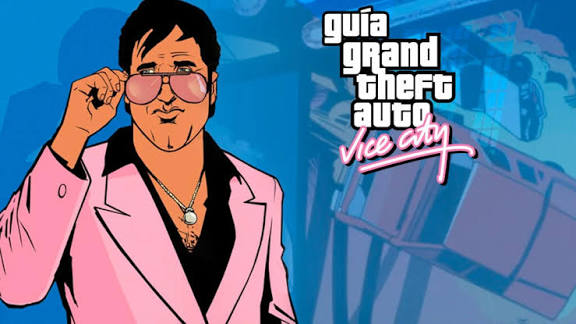
Grand Theft Auto: Vice City — A Timeless Classic
Introduction
Released in 2002 by Rockstar Games, Grand Theft Auto: Vice City quickly became one of the most iconic open-world games ever made. Set in a fictional city inspired by Miami in the 1980s, the game immerses players in a neon-soaked world of crime, ambition, and style. It was developed by Rockstar North and is the fourth main installment in the Grand Theft Auto series, following GTA III.
Even after more than two decades, GTA: Vice City remains a fan favorite due to its unforgettable characters, vibrant setting, and groundbreaking gameplay.
Storyline
The story follows Tommy Vercetti, a former mobster recently released from prison. Sent to Vice City by his old boss, Sonny Forelli, to oversee a drug deal, Tommy’s plans quickly fall apart when the deal is ambushed. Stripped of money and connections, he decides to build his own criminal empire, taking control of the city’s underworld one step at a time.
The narrative is heavily influenced by movies and TV shows of the era, particularly Scarface and Miami Vice. The game’s dialogue, humor, and characters perfectly capture the atmosphere of the 1980s — filled with excess, greed, and ambition.
Gameplay
GTA: Vice City expanded the formula established by GTA III. Players could now buy properties, run businesses, and make money through side missions like taxi driving, vigilante missions, and delivery runs.
The open-world design gave players total freedom to explore Vice City — from sunny beaches and luxury hotels to grimy backstreets and nightclubs. Players could drive a wide range of vehicles: cars, bikes, boats, and even helicopters — something entirely new for the series at the time.
Weapons and combat were also improved, and the game’s wanted level system made police chases both challenging and thrilling.
Graphics and Soundtrack
For its time, Vice City was visually stunning. The game’s vibrant color palette, palm-lined streets, and glowing sunsets made the city feel alive. The attention to detail — from neon billboards to 80s-style cars — created an atmosphere unlike any other game of its era.
One of the most memorable elements is its soundtrack. Featuring more than 100 songs across multiple in-game radio stations, it includes hits from artists like Michael Jackson, Blondie, and Tears for Fears. Each station reflects a different genre — from pop and rock to new wave and reggae — making cruising through the city feel like a trip back in time.
Cultural Impact
GTA: Vice City wasn’t just a game — it became a pop-culture phenomenon. Its nostalgic setting, outrageous humor, and cinematic storytelling influenced countless open-world titles that followed. The game sold over 17 million copies, making it one of the best-selling PlayStation 2 games ever.
It also sparked debates about violence and moral choices in video games, leading to discussions about creative freedom and player responsibility — debates that continue today.
Legacy and Remastered Versions
The legacy of Vice City continues with re-releases and remasters. It was included in Grand Theft Auto: The Trilogy – The Definitive Edition (2021), bringing updated graphics and smoother controls for modern platforms. Though the remaster received mixed reviews, it introduced a new generation of players to Tommy Vercetti’s world.
Many fans still hope Rockstar will revisit Vice City in a future GTA title — and in fact, GTA VI is confirmed to return to a modern-day version of Vice City, proving the setting’s lasting appeal.
Conclusion
Grand Theft Auto: Vice City remains one of the most influential video games ever made. With its unforgettable soundtrack, charismatic protagonist, and groundbreaking open-world design, it captured the essence of 1980s pop culture like no other.
Even decades later, fans still return to its streets — driving down Ocean Beach in a sports car, neon lights flickering, with 80s hits blaring through the radio. Vice City isn’t just a game — it’s a feeling, a time capsule, and a legend in gaming history.